If you’re planning a luxury women’s shoe kiosk fit-out inside a shopping mall, you’ve likely run into cheap display cabinet quotes that seem too good to be true — and they almost always are. I’ve worked with dozens of store owners who rushed into low-budget custom jobs, only to end up with displays that look cheap, fail to highlight their premium shoe inventory, and tank in-store conversion rates.
In the worst cases, cabinets arrive with wrong dimensions or fail official mall fire checks, leading to expensive reworks and major project delays. After years in the retail fixture industry, I’ve rounded up the seven most common corner-cutting tricks manufacturers use. Go through these points carefully before locking in your shoe store customization, and save yourself from costly, avoidable mistakes.
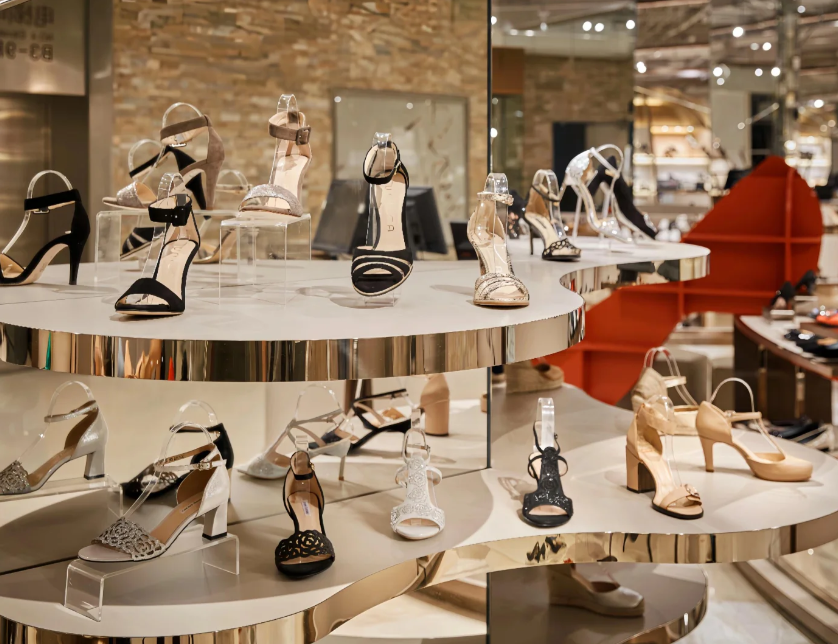
Pitfall 1: Single-Tier Circular Lighting Kills Your Store’s Premium Vibe
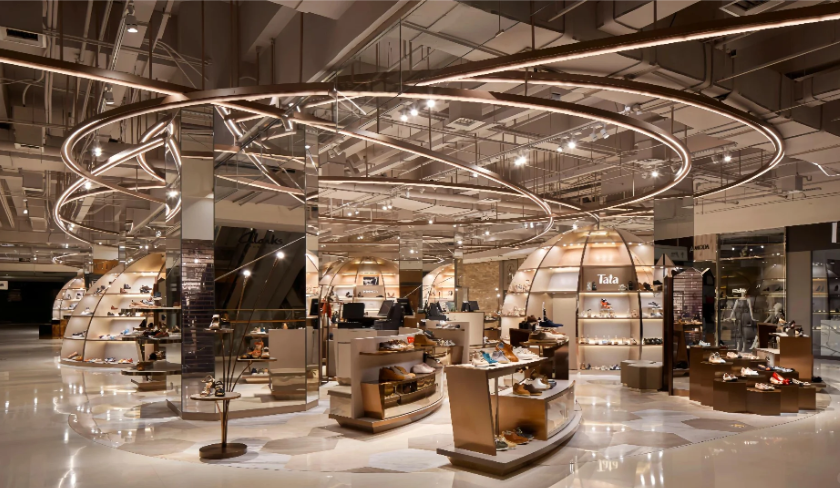
Budget-focused manufacturers will often only install one single ring of LED strip lighting for your circular ceiling design. This basic setup creates flat, dull lighting that breaks up the flow of your retail space entirely. It never achieves that soft, layered, high-end ambiance you see in premium mall shoe stores, and the final result will never match the polished sample photos vendors show you upfront.
How to avoid it: Always double-check your construction blueprints before signing any contract, and confirm the design features multi-layer staggered circular light grooves. Stick to 4000K warm white lighting — it’s bright enough for product display but gentle on the eyes for a luxury feel. Ask your supplier for an actual lighting test video prior to installation, so you know exactly what final effect you’re getting, with zero surprises.
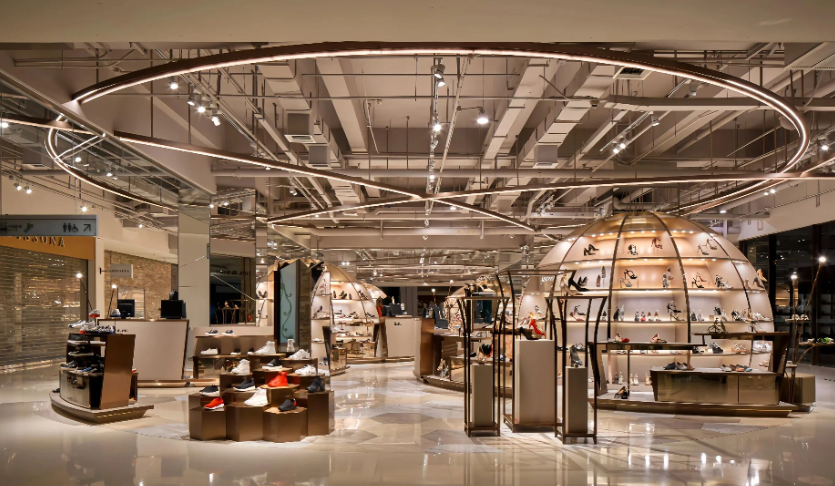
Pitfall 2: Undersupplied Lighting in Spherical Display Cabinets Makes Products Look Dull
Spherical glowing display cabinets are the centerpiece of modern luxury shoe shop interiors — but they’re also one of the most commonly compromised fixtures. Many cutting-corner factories only fit basic top spotlights and skip individual shelf lighting entirely. This leaves dark leather footwear, jewel-embellished heels and delicate sandals sitting in shadow. All the premium details get lost, and your high-end kiosk ends up looking just like a discount street-side shoe store.
How to avoid it: Make it a non-negotiable rule that every single shelf comes with independent embedded soft LED strips, paired with a diffused back panel for even, shadow-free lighting. Get all key specs — including strip wattage, lifespan and official warranty — written formally into your contract. Never rely on verbal guarantees from sales reps.
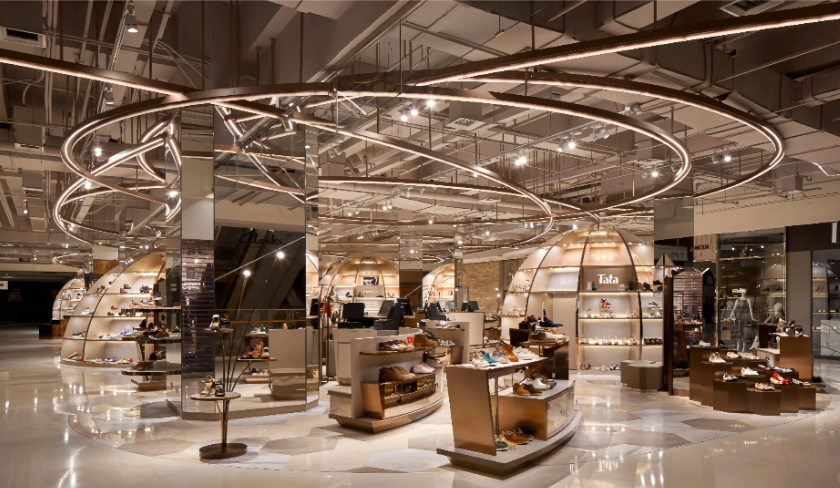
Pitfall 3: Missing Mirror Bases on Island Counters Ruin Your Display Appeal
Island display counters with mirror bases are game-changers for showcasing high heels and trendy sandals. They add depth, amplify visual stock volume and make every shoe style pop. To save on material costs, plenty of manufacturers will quietly remove the mirror base and deliver a plain single-layer countertop. The end result is a flat, lifeless display that halves your in-store visual appeal and fails to grab passing customer attention at your store’s prime central place.
How to avoid it: For your core heel display zone, always insist on stainless steel edging plus thickened mirror bases, paired with a dual-layer staggered height layout. Always cross-verify mirror thickness and materials on the design drafts before production starts, to prevent suppliers from swapping premium panels for cheap thin alternatives.
Pitfall 4: Standard Spray Paint Leads to Fast Yellowing and Peeling
Champagne gold metallic finishes are the go-to for upscale shoe store aesthetics. However, many fixture companies falsely market high-end electrostatic baking paint, yet use cheap regular spray paint behind the scenes. Constant mall lighting exposure, daily customer foot traffic and frequent shoe testing friction will quickly wear these low-quality surfaces down. Within just a few months, your brand-new cabinets will scratch, fade, yellow and peel, making your whole store look worn and unprofessional.
How to avoid it: Stick strictly to professional electrostatic metal baking paint finishes, which offer superior wear resistance and oxidation protection. Clearly state paint quality standards and warranty coverage in your contract. This simple step will filter out most low-grade, cost-cutting suppliers instantly.
Pitfall 5: Disregarding Mall Fire Codes Causes Failed Inspections
Shopping mall retail spaces have far stricter fire safety rules than standalone street stores. A lot of custom fixture teams don’t familiarize themselves with these local mall regulations. They skip flame-retardant treatment on wooden cabinet structures and arc light grooves, and leave electrical wiring unprotected without fire-resistant casings. Once installed, these non-compliant fixtures will fail official fire inspections, forcing expensive last-minute reworks and delaying your store opening timeline.
How to avoid it: Share your mall’s official fire safety guidelines with your manufacturer before any production begins. Require full flame-retardant processing for all cabinet panels and electrical systems, and ask for official fire resistance test reports upon completion to guarantee smooth inspection approval.
Pitfall 6: Permanently Welded Counters Kill Layout Flexibility
Shoe retail relies heavily on flexible merchandising — you’ll need to rearrange displays seasonally for new arrivals, restock categories and update product layouts. To cut down labor and production time, many factories weld stepped island counters into fixed, immovable structures. After installation, you can’t shift, split or reconfigure them at all. Any future layout changes mean you’ll have to purchase brand-new cabinets, adding unnecessary renovation costs.
How to avoid it: Always confirm a fully modular, bolt-together assembly design with zero welding. These lightweight, detachable fixtures can be easily disassembled and adjusted single-handedly, perfect for seasonal merchandising updates and long-term store layout tweaks.
Pitfall 7: Flimsy Low-Grade Acrylic Shoe Stands Crack and Discolor Quickly
Most shop owner concentrate on the design of the max display cabinets but ignore small but crucial display accessories like acrylic shoe supports. Cheap, ultra-thin acrylic stands bend, crack and warp easily under the weight of thick-soled sneakers, chunky boots and foot wear On top of that, recycled low-quality acrylic gradually turns foggy and yellow over time. These tiny flawed details drag down the entire premium aesthetic of your high-end shoe collection.
How to avoid it: Select brand new high-clarity acrylic sheets with a minimum thickness of 8mm, and refuse all recycled materials outright. Always rquest physical samples stands to test sturdiness, load capacity and transparency before the bulk production.
Wrapping Up
What truly defines a luxury shoe store display isn’t flashy exterior designs — it’s the fine craftsmanship, professional lighting setup and thoughtful mirrored detailing that make your products stand out. Nearly every low-cost custom fixture quote cuts corners on these hidden but essential details. Take the time to verify construction blueprints, material specs and compliance clauses before finalizing your order, and you’ll steer clear of costly rework and disappointing final results.
If you are looking for reliable supplier resources, detailed quotation and material checklists for shoe store display customization, feel free to contact me at any time. I will be happy to provide you the information of our factory and products.